
"quinic acid"
300 article(s) found
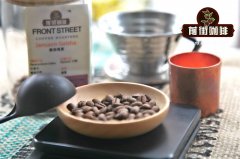
Changes in the roasting process of coffee beans changes occurred before and after roasting
Professional coffee knowledge exchange more coffee bean information Please pay attention to the volatile and non-volatile compounds in the coffee workshop (Wechat official account cafe_style) you may have heard that volatile and non-volatile compounds are produced during roasting. Generally speaking, volatile compounds are aroma, and non-volatile compounds are flavors. But what kind of substances are these? Volatile compounds

Is it good to grind coffee beans? How are you? Selection of grinding degree of coffee beans
Professional coffee knowledge exchange more coffee bean information please pay attention to the coffee workshop (Wechat official account cafe_style) coffee bean grinding fineness how to judge, set the espresso grinding degree to brew out a pot of coffee you are satisfied with, you must first find out your favorite grinding particles. Coffee contains high molecular weight substances such as chlorogenic acid, quinic acid, caffeine and so on.
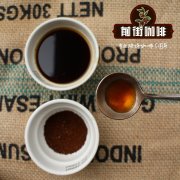
What is caffeic acid? what is the composition of caffeic acid? how does it affect coffee flavor?
Professional coffee knowledge exchange more coffee bean information Please pay attention to the coffee workshop (Wechat official account cafe_style) there are many factors that affect coffee flavor: coffee bean variety, roasting, brewing strategy, coffee bean handling methods, however, when you divide these factors again and again, the resulting coffee flavor is all related to a class of substance compounds. The way coffee is baked. Coffee.

Various acidic substances in coffee common sense of coffee
We all know that coffee contains a lot of organic and inorganic acids, which have a great impact on the taste of coffee, but most people do not have a chance to understand the effects of various acids. The following article will talk about the relationship between various acids and coffee! Citric acid-Citric Acid citric acid is common in lemon, citrus and other fruits, you are now

Bitter coffee beans are bad? Why coffee beans are bitter_How to buy coffee beans without bitterness ?
Professional coffee knowledge exchange More coffee bean information Please pay attention to coffee workshop (Weixin Official Accounts cafe_style) Bitterness has always been an unpleasant term in fine coffee. Good coffee should be sweet and delicious, taste well balanced, maybe with some acid, and make coffee taste good without adding sugar. But what makes coffee bitter? Are these bitters really that bad? let me

Analysis of various acidic substances in coffee basic knowledge of coffee
We all know that coffee contains a lot of organic and inorganic acids, which have a great impact on the taste of coffee, but most people do not have a chance to understand the effects of various acids. The following article will talk about the relationship between various acids and coffee! Citric acid-Citric Acid citric acid is common in lemon, citrus and other fruits, you are now

Coffee roasting time and temperature on coffee beans, how to bake non-sour beans?
Professional coffee knowledge exchange more coffee bean information please follow the coffee workshop (Wechat official account cafe_style) coffee taste, that is, the range and quality of sour and bitter taste, aroma intensity and quality, astringent taste, thick strength and some defects in the taste, is the quality of raw beans, roasting is to correctly grasp the possibility of all kinds of raw beans: to what extent can have the best taste
How does the origin of coffee affect the chemical composition and traceability of coffee beans?
Professional coffee knowledge exchange more coffee bean information please follow the coffee workshop (Wechat official account cafe_style) do you have a favorite coffee producing area? Brazil, Kenya, Ethiopia? Why do you need to care which country the coffee comes from? The most important reason is that even the same variety of coffee will produce different chemical composition depending on where it is planted.

Coffee knowledge: how do black coffee antioxidants come from? what's the effect?
Professional coffee knowledge exchange more coffee bean information please pay attention to coffee workshop (Wechat official account cafe_style) Coffee is the most complex food with known natural substances. Scientists have isolated more than 300 chemicals from raw coffee beans and more than 800 kinds of cooked beans, including many acidic organic compounds, which are not only a source of sour flavor, but also for health.

How does origin affect the chemical composition and traceability of coffee? Does coffee from different places have the same flavor?
Do you have a favorite coffee producing area? Brazil, Kenya, Ethiopia? Why do you need to care which country the coffee comes from? The most important reason is that even the same variety of coffee will produce different chemical composition due to different planting places. These differences in chemical composition will not only affect the flavor, but also help us to identify distinct flavor characteristics. This article gives way

Panama hand brewed coffee over acid is what causes hand brewed coffee how to control acidity
Professional coffee knowledge exchange More coffee bean information Please pay attention to coffee workshop (Weixin Official Accounts cafe_style) Front Street Panama Flower Butterfly Hand Chong Introduction Panama is located in a typical coffee belt. Panama's neighboring countries are all famous coffee producing areas in the world. Together with these countries, they tell the world about the origin of coffee. The microclimate there is particularly suitable for coffee growing, high seas
Caffeine and chlorogenic acid, the embodiment of angels and demons
The two main characters in the complicated coffee world are caffeine and chlorogenic acid. Both protagonists are the incarnation of angels and demons. However, with the deepening of the research, the angel face of chlorogenic acid becomes more and more attractive. How to desensitize chlorogenic acid is the baker's witchcraft. (desensitization is to minimize the negative effects of chlorogenic acid.) chlorogenic acid (CGA) is the largest and largest in coffee.

Effect of coffee powder thickness on hand-made coffee common grinding thickness diagram
The effect of coffee powder thickness on hand brewing coffee is a good way to control bitterness, because the finer the grinding, the higher the extraction rate, the easier it is to extract high molecular weight astringent bitter substances such as chlorogenic acid, quinic acid, caffeine and carbonization. On the contrary, if the grinding is too rough, the lower the extraction rate is, the more difficult it is to extract high molecular weight astringent bitterness, but the sweet taste of middle molecular weight may also be caused by

How to adjust the coffee grinder? what kind of equipment do you need to make coffee?
How to adjust the coffee grinder to make coffee requires that the equipment roughness can control the bitterness is a good way to control bitterness, because the finer the grinding, the higher the extraction rate. the easier it is to extract high molecular weight bitter substances such as chlorogenic acid, quinic acid, caffeine and carbides. On the contrary, if the grinding is too rough, the lower the extraction rate is, the more difficult it is to extract the astringent bitterness with high molecular weight, but the medium molecular weight

Do you prefer coffee or tea? Science report: genes have determined taste preferences
Professional coffee knowledge exchange more coffee bean information please follow the coffee workshop (Wechat official account cafe_style) do you prefer coffee or tea? The study points out that preferences for these two drinks depend on genes, and genetic physique affects people's perception of specific bitterness, so some people prefer tea and others prefer coffee. According to a report in the Guardian on the 15th, the United States

Go into coffee, no longer entangled coffee grease
Many friends who use coffee appliances other than Italian machines are always entangled in the fact that their coffee is free of grease. If we want to talk about this problem, let's look at it from two aspects. First, let's look at what's in a cup of black coffee besides water: caramelized sugars, flavored fats, quinic acids, and caffeine. If there is no flavor fat in the coffee, then stir coffee and stir fry

Does water temperature matter when coffee is extracted?
In the brewing process, water and coffee will undergo some complex chemical reactions, and the water temperature will directly affect the extraction rate of different components in the coffee during brewing. Water extracts quinic acid, amino acids and tannins, caffeine, oils and other substances from coffee. During the cooking process, different stages produce different reactions. The temperature of water affects the extraction of coffee liquid.

The finer the coffee beans are ground, the easier the antioxidants will dissolve! How can coffee beans taste good?
Professional coffee knowledge exchange more coffee bean information please pay attention to coffee workshop (Wechat official account cafe_style) Coffee is the most complex food with known natural substances. Scientists have isolated more than 300 chemicals from raw coffee beans and more than 800 kinds of cooked beans, including many acidic organic compounds, which are not only a source of sour flavor, but also for health.

What is the amount of coffee powder extracted from coffee?
The fineness of coffee extraction is a good way to control bitterness, because the finer the grinding, the higher the extraction rate, the easier it is to extract high molecular weight bitter substances such as chlorogenic acid, quinic acid, caffeine and carbides. On the contrary, if the grinding is too rough, the lower the extraction rate is, the more difficult it is to extract the astringent bitter substance with high molecular weight, but the sweet taste with middle molecular weight may remain in the coffee grounds because of insufficient extraction.

Are you still obsessed with coffee grease? Crema of espresso
Many friends who use coffee utensils other than Italian machines always struggle with the fact that the coffee they make is free of oil. If we want to talk about this problem, let's look at it from two aspects. First, let's take a look at what's in a cup of black coffee besides water: caramelized sugars, flavored oils, quinic acid, and caffeine. If there is no flavor oil in the coffee, then stir-fry the coffee and stir-fry